
AI In Dentistry In Sonoma: How Overjet AI And Digital Scanning Help Us Catch Concerns Earlier
Published on May 1, 2026 | 8 minute read
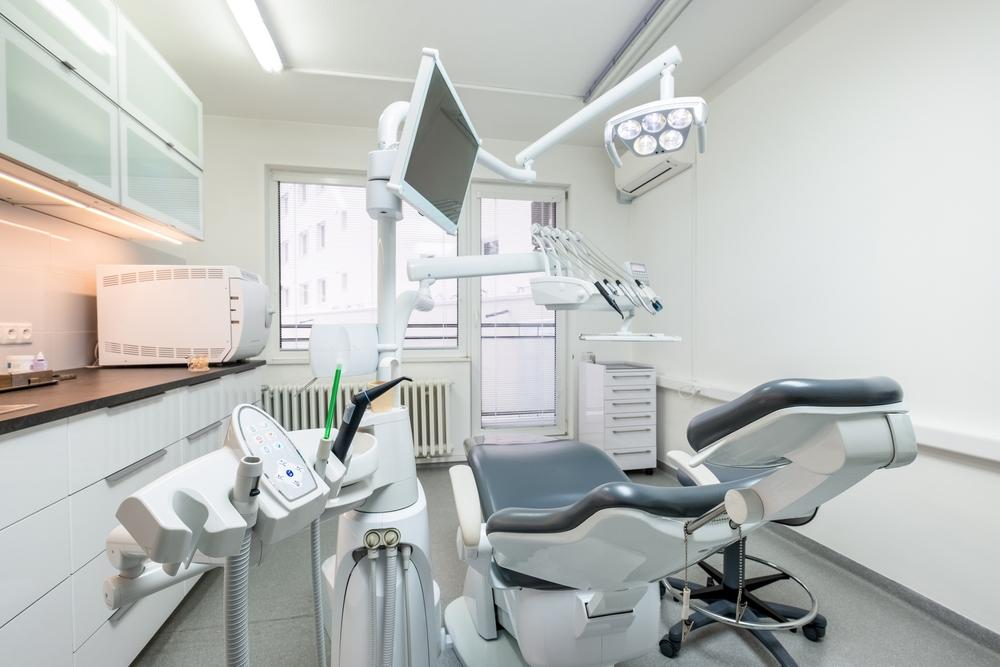
Most dental issues don’t start as emergencies. Cavities begin as tiny areas of demineralization. Bone changes can be subtle. Wear patterns and bite stress often show up long before a tooth actually cracks. The challenge is that early changes can be difficult to see with the naked eye—especially when they’re small, hidden between teeth, or just beginning.
That’s why we’ve embraced modern diagnostic tools that help us see more clearly and communicate more clearly. Two technologies that make a meaningful difference in the patient experience are Overjet AI imaging software and digital scanning with an iTero scanner.
Here’s how these tools work in practical terms, what “pixels” have to do with diagnosis, and how this technology supports better planning, better prevention, and better peace of mind.
The Goal Of Technology In Our Practice: Clarity, Not Complexity
When you hear “AI in dentistry,” it can sound futuristic—maybe even intimidating. In our office, the goal is simple: help you understand what we see and help us catch concerns sooner so you can make informed decisions.
AI does not replace a dentist. It doesn’t “treat” anything. What it can do is:
- Highlight patterns that are easy to miss
- Measure changes consistently over time
- Support earlier detection of potential issues
- Make it easier to show you what’s happening and why we’re recommending a plan
In other words: AI helps us be more precise and more transparent.
How Overjet AI Works: It “Sees” Patterns In Pixels
Dental x-rays are made up of tiny dots called pixels. Each pixel has a shade value—from lighter to darker—based on how dense the structures are at that spot. Enamel, dentin, restorations, and bone all show up with different densities. But early decay and subtle bone changes can blend into normal shadows, especially in complex areas.
Overjet AI analyzes the pixel data and looks for patterns that match known dental conditions. Think of it as a smart highlighter:
- It flags areas that may represent early decay
- It measures bone levels relative to tooth structures
- It can help identify changes that are small or developing
- It creates consistent visuals that we can review with you chairside
We still confirm what we see with clinical exams, your symptoms, and additional testing when needed. The advantage is that the AI supports consistency and early awareness.
Why “Early Detection” Matters In Everyday Dentistry
Here’s the practical reason this matters: the earlier we catch something, the more conservative the solution usually is.
For example:
- A small cavity caught early may be treated with a small composite filling
- A cavity caught later may require a larger restoration, or potentially even a crown
- A bite stress pattern caught early may be managed before it turns into a painful crack
- Bone changes tracked consistently help us monitor gum support and long-term stability
Early detection isn’t about creating worry. It’s about giving you options and preventing surprises.
What You’ll Notice As A Patient During Your Visit
When we review your x-rays with Overjet AI support, you’ll notice a few patient-friendly benefits:
1) We Can Show You What We’re Seeing
Instead of vague explanations, we can point to the specific area and explain:
- What it likely represents
- Why we’re monitoring it or treating it
- What the next step is and what it prevents
2) We Can Track Changes Over Time
One of the best parts of digital tools is the ability to compare consistent data from one visit to the next. That helps us answer questions like:
- “Is this spot stable?”
- “Is it changing?”
- “Do we need to act now or monitor it?”
3) The Conversation Feels More Collaborative
When you can see what we see, it’s easier to feel confident in the plan. Most patients prefer “show me” over “trust me,” and we agree.
What Overjet AI Helps Us Evaluate
While every mouth is different, Overjet AI is often used to support evaluation of:
- Early decay detection: spotting subtle changes between teeth or under old restorations
- Bone level assessment: measuring bone support patterns around teeth
- Areas to monitor: helping us keep an eye on borderline spots consistently
- Communication: giving a clearer picture of what’s happening and why
Again, it’s not “diagnosing on its own.” It’s supporting our clinical diagnosis with consistent measurement and visualization.
Where The iTero Scanner Comes In: A Digital Map Of Your Teeth
Now let’s talk about the second major piece: digital scanning with an iTero scanner.
An iTero scanner creates a detailed 3D model of your teeth and bite—without messy impression material. It’s fast, comfortable, and incredibly useful for planning.
With an iTero scan, we can:
- Capture precise tooth shapes and alignment
- Evaluate bite contact patterns
- Track changes over time
- Plan clear aligner therapy more accurately
- Support restorative planning for crowns and other restorations
It’s also a great communication tool because you can see your teeth from angles you’ve never seen before.
Why Digital Scanning Helps You As A Patient
No Messy Impressions
Many patients have a strong gag reflex or simply dislike impression trays. Digital scanning is significantly more comfortable.
Better Visual Understanding
Seeing a 3D model makes it easier to understand:
- Crowding and spacing patterns
- Why certain teeth chip repeatedly
- Where bite pressure lands
- How alignment affects wear and comfort
Stronger Treatment Planning
When you combine digital scanning with x-ray evaluation, you get a more complete picture. That supports planning for:
- Invisalign and clear aligners
- Crowns (including same-day restorations when appropriate)
- Veneers and cosmetic planning
- Bite adjustments and function-focused improvements
AI + iTero: The Power Is In The Combination
Overjet AI helps us interpret imaging data with consistent measurement and pattern recognition. The iTero scanner helps us map surfaces, alignment, and bite relationships in 3D.
Together, these tools support:
- Earlier identification of concerns
- Better planning and predictability
- Clearer patient communication
- More conservative intervention when possible
This is especially helpful when patients say things like:
- “I don’t have pain, but something feels off.”
- “Why does food always get stuck here?”
- “Why did that tooth chip again?”
- “Do I really need to treat this now?”
Technology helps us answer those questions with clarity.
What This Means For Your Preventive Care
Even if you’re not getting cosmetic work or restorations, these tools can make routine visits more valuable. Instead of “everything looks fine,” we can often provide more detailed insights:
- Where plaque tends to collect
- Which teeth show early wear
- Which areas are beginning to weaken
- What to watch and what to address now
It’s a more proactive approach—and most patients appreciate knowing what’s happening before it turns into pain.
A Final Word On Trust And Comfort
We know technology can feel like “more information,” and sometimes more information feels overwhelming. Our job is to translate it into simple, practical guidance:
- What matters today
- What can wait
- What we’ll monitor
- What your best next step is
You’ll never be pressured into treatment just because an AI tool highlighted something. We use these tools to support thoughtful dentistry, not rushed dentistry.
Ready To Experience A More Clear, Modern Dental Visit?
If you’re interested in a more technology-supported approach to preventive care, bite evaluation, or smile planning, we’re here to help. Call Sonoma Springs Dental at (707) 935-8200 to Schedule a Consultation in Sonoma, CA.
