
Porcelain Veneers In Sonoma: A Practical Guide To Shape, Color, And A Natural-Looking Smile
Published on Mar 16, 2026 | 6 minute read
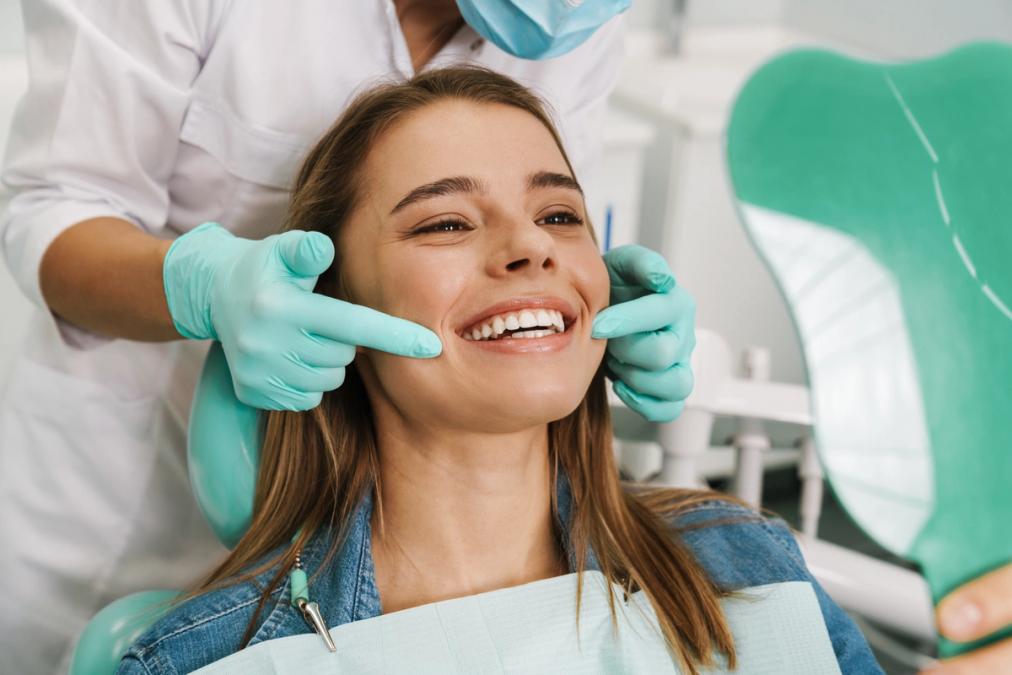
Porcelain veneers are one of the most powerful cosmetic tools in dentistry because they can change color, shape, and symmetry at the same time. But the best veneer results don’t look “done.” They look like you—just brighter, more balanced, and more confident.
If you’re considering porcelain veneers in Sonoma, this guide explains how veneers work, who they’re ideal for, how the process typically flows, and what makes veneers look natural instead of overly uniform.
What Veneers Actually Are
A veneer is a thin ceramic shell bonded to the front surface of a tooth. Veneers can:
- Brighten teeth that don’t respond evenly to whitening
- Correct small gaps and minor misalignment
- Repair chipped or worn edges
- Improve tooth shape and proportions
- Create a more symmetrical smile line
Because veneers are custom-made, they’re designed to match your face, your lip line, and your natural tooth character.
Who Veneers Are Great For
Veneers tend to be a strong option when you want a visible change and:
- Teeth have stubborn staining or uneven color
- Edges are worn or chipped
- Teeth look short, uneven, or slightly misshapen
- Small gaps create shadowing in photos
- You want consistent brightness across the smile line
Veneers are also helpful when someone wants a “finished” look after orthodontic alignment, especially when tooth shapes vary.
When Veneers Might Not Be The First Step
If your bite is causing heavy edge wear, stabilizing bite forces matters. If gum inflammation is present, improving gum health first helps results look better and last longer. If teeth are significantly crowded, aligning first may create a better foundation.
A good plan doesn’t rush. It sequences steps so veneers look natural and feel comfortable.
The Design Phase: This Is Where Results Are Won
The most important part of veneers is often the planning, not the bonding day. During design, your dentist considers:
- How many teeth show when you smile naturally
- The “smile arc” (how edges follow the curve of the lower lip)
- Midline position and symmetry
- Tooth width-to-height proportions
- Gumline levels and how they frame the teeth
- Natural texture and translucency (so veneers don’t look flat)
The goal is harmony—teeth that fit your face, not a generic template.
How Many Veneers Do You Need?
Not everyone needs a full set. Many people show 6–10 upper teeth when smiling. Some patients do veneers on the most visible teeth and blend the rest with whitening or shaping. Others want a broader, uniform result across the smile line.
The “right number” depends on how you smile and what changes you want most.
What The Veneer Process Typically Feels Like
Step 1: Smile Preview
You’ll discuss your goals—brightness, shape, and how bold or subtle you want results to be. Many patients bring photos of smiles they like, which helps define preferences.
Step 2: Preparation
Veneers usually require conservative enamel shaping so the ceramic can sit naturally without looking bulky. Comfort is managed with numbing as needed. The amount of shaping varies depending on your starting tooth shape and desired final contour.
Step 3: Temporaries
Temporaries often serve as a “test drive.” You can experience the shape and make small refinement requests before the final veneers are bonded.
Step 4: Final Bonding
When the final veneers are ready, they’re tried in, adjusted if needed, then bonded. The bite is checked carefully, and edges are polished so they feel smooth and natural.
What Makes Veneers Look Natural
Natural veneers usually have:
- Subtle texture (not perfectly smooth like plastic)
- Slight translucency near the edges
- Variation in light reflection (real teeth aren’t identical)
- A shade that complements skin tone and lip color
- Edges that align with your speech and bite patterns
The most common “fake” look comes from being too uniform in shape or too flat in color. A good veneer plan avoids that by building detail intentionally.
Caring For Veneers
Veneers are strong, but they still benefit from mindful habits:
- Brush twice daily with a soft brush
- Floss daily to protect the margins
- Avoid biting very hard items with front edges
- If you clench or grind, protect your veneers with a guard approach
- Keep regular cleanings so the gumline stays healthy
Veneers don’t require special tools for most patients. The key is consistent care and protecting edges from extreme force.
Veneers And Whitening: What To Know
If you want a brighter smile overall, whitening is often done first so the surrounding teeth are as bright as you want them, then veneers are matched to that shade. Veneers don’t whiten later, so planning the shade upfront prevents mismatched tones.
Your Next Step
If you want a smile that looks brighter, more even, and still completely natural, porcelain veneers may be a great fit. Call Sonoma Springs Dental at (707) 935-8200 to Book an Appointment in Sonoma, CA and start planning a confident, personalized veneer design.
