
Root Canals In Sonoma: What Makes Treatment Comfortable And Why Saving The Tooth Matters
Published on Feb 17, 2026 | 5 minute read
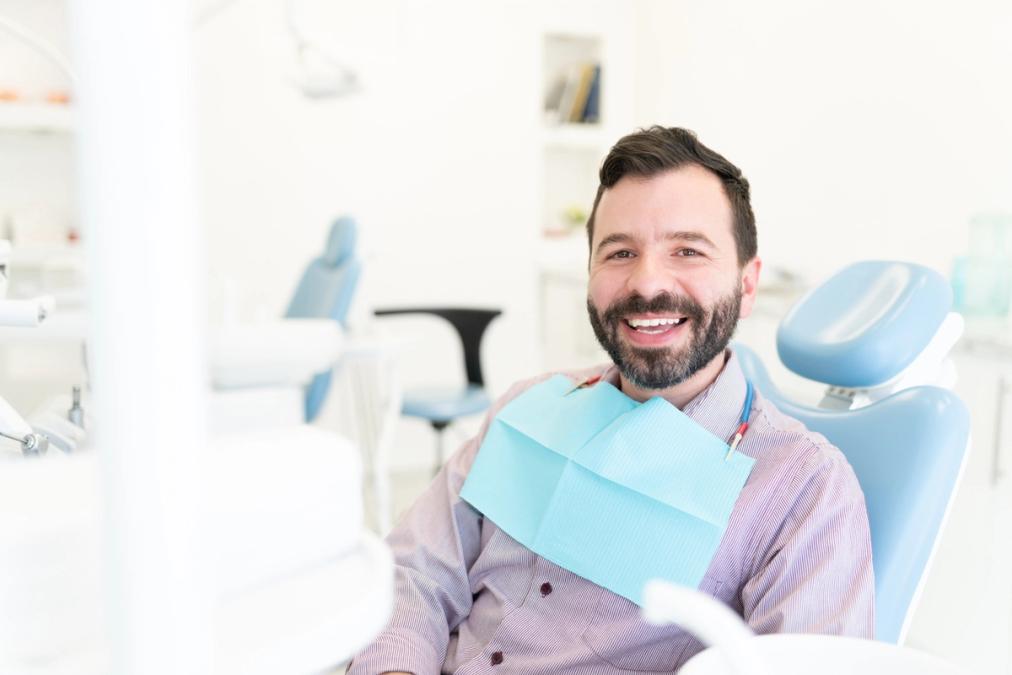
When a tooth starts reacting to heat, cold, or chewing pressure, it’s easy to assume the worst. But in many cases, the most effective solution is also the most tooth-preserving one: root canal treatment, which is an actual service offered at Sonoma Springs Dental.
Root canals have an outdated reputation. Modern dentistry has changed the experience dramatically. This guide explains when root canals are needed, what happens during treatment, how recovery feels, and what comes next so your tooth stays strong.
What A Root Canal Treats (And Why It Helps)
Inside each tooth is soft tissue that includes nerves and blood supply. Deep decay, cracks, or trauma can inflame or infect that tissue. When the tissue becomes irritated, it can trigger:
- Throbbing or lingering sensitivity
- Pain when chewing or biting
- A sense that “something feels wrong” in one tooth
- Swelling or tenderness around the gum area
Root canal treatment removes the inflamed tissue, disinfects the internal space, and seals it so the tooth can stay in place—often ending pain and preventing infection from spreading.
Signs A Root Canal May Be Recommended
Not every toothache requires a root canal. But common signs that point toward it include:
- Sensitivity that lingers after hot or cold
- Pain that wakes you at night
- Pain that intensifies when biting
- A pimple-like bump on the gums near a tooth
- A tooth that feels “high” or sore to touch
- A tooth that has deep decay or a significant crack
The definitive answer comes from a focused exam and imaging.
What Makes Modern Root Canals More Comfortable
Root canals are typically comfortable because:
- Local anesthesia keeps the tooth numb during treatment
- The goal is to remove inflamed tissue (often the source of pain)
- Modern instruments and precise technique reduce trauma to surrounding tissue
- Careful planning allows the dentist to work efficiently and predictably
Many patients are surprised by how “normal” the visit feels—often similar to a longer filling appointment.
What Happens During A Root Canal Appointment
Step 1: Diagnosis And Stabilization
Your dentist confirms the tooth is the pain source using tests and imaging. If the tooth is highly inflamed, the first goal is comfort—sometimes treatment begins with calming the tooth and stabilizing symptoms.
Step 2: Numbing And Isolation
The tooth is numbed thoroughly. The area is isolated so the tooth stays clean and dry during treatment.
Step 3: Cleaning And Disinfection
A small opening is made to access the inner canals. The inflamed tissue is removed, and the space is cleaned and disinfected.
Step 4: Sealing
The canals are sealed so bacteria can’t re-enter. The tooth is then protected with a temporary or a buildup depending on what the tooth needs next.
Step 5: Protecting The Tooth Long-Term
Once a tooth has had a root canal, it often needs reinforcement to handle chewing forces—especially for molars and premolars.
Why Crowns Often Follow Root Canals (And Why That Matters)
Crowns are a listed service at Sonoma Springs Dental, including same-day CEREC crowns. After a root canal, a tooth can be more prone to fracture if it has lost structure to decay or cracks. A crown helps by:
- Holding the tooth together
- Preventing cusps from splitting
- Restoring full chewing strength
- Creating a stable bite surface
This isn’t about “doing more dentistry.” It’s about protecting the tooth so the root canal result lasts.
What Recovery Feels Like
After a root canal, mild tenderness is normal. The tissue around the root tip may be sensitive as it settles. Many patients do well with:
- Soft chewing for a short period
- Avoiding that tooth until it’s fully protected
- Following any home-care guidance provided
Pain that worsens steadily instead of improving is a reason to call—your comfort matters, and small bite adjustments can make a major difference.
How To Make Root Canal Results Last
Long-term success comes from two things:
- A strong restoration (often a crown)
- Healthy gums and home care around the tooth
Brush twice daily, floss daily, and keep regular checkups so any issues are caught early.
When Root Canal Isn’t The Right Fit
In some cases, a tooth cannot be predictably saved because a crack extends too deep or the structure is too compromised. If that happens, your dentist will explain alternatives offered at Sonoma Springs Dental, such as dental implants, bridges, or dentures, depending on the situation.
The goal is always the same: a comfortable, functional bite you can rely on.
Your Next Step
If you have a tooth that’s painful, sensitive, or difficult to chew on, don’t wait for it to escalate. Call Sonoma Springs Dental at (707) 935-8200 to Book an Appointment in Sonoma, CA and get clear answers—and real relief.
