
Teeth Whitening In Sonoma: How To Choose The Right Option For A Brighter, Natural Smile
Published on Mar 2, 2026 | 7 minute read
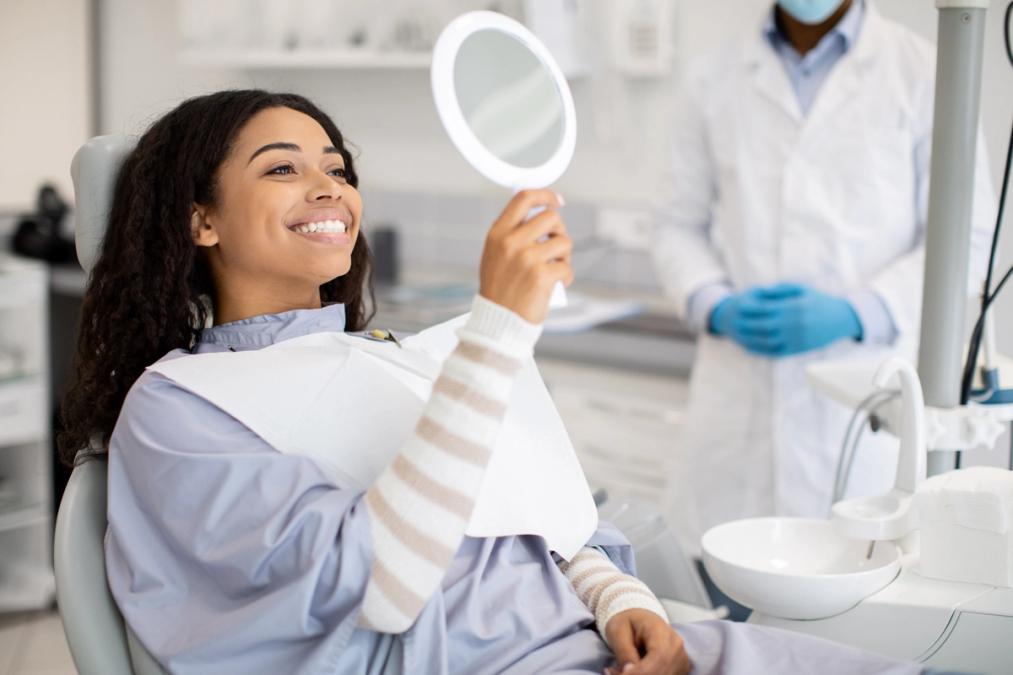
A brighter smile can make you look more refreshed, confident, and camera-ready—without changing anything else. Still, teeth whitening isn’t one-size-fits-all. Some people want a quick boost for an upcoming event. Others want gradual brightening that feels gentle and predictable. And many patients simply want to remove coffee, tea, or red-wine stains without ending up with “too white” results that don’t match their features.
Teeth whitening is most successful when it’s matched to your teeth, your habits, and your sensitivity level. In this guide, we’ll walk through the most common whitening options, what results tend to look like, how to reduce sensitivity, and how to maintain your new shade long-term.
Why Teeth Look Yellow (Even If You Brush)
Tooth color is influenced by more than surface stains. In general, discoloration comes from two places:
- Extrinsic Stains (Surface Stains): From coffee, tea, red wine, dark berries, tobacco, and some seasonings. These stains live on the enamel surface and often respond well to whitening and professional polishing.
- Intrinsic Color (Internal Shade): Your enamel is naturally translucent. Under it is dentin, which is naturally warmer in tone. As enamel thins over time, the underlying dentin can show through more, making teeth appear darker or yellower.
That’s why two people can have similar diets and brushing habits but very different tooth shades. Whitening can help in both cases, but expectations should be tailored.
Whitening Option #1: In-Office Whitening
In-office whitening is designed for patients who want noticeable brightening in a short window. This approach is carefully controlled, which helps with comfort and predictability. During an in-office session, your gums are protected and whitening gel is applied in a way that targets the enamel efficiently.
This can be a great fit if:
- You want a faster result for photos or an event
- You prefer professional control of the process
- You’re hoping for a noticeable change in a limited timeline
A helpful mindset: in-office whitening often delivers the “big jump,” while at-home maintenance keeps the shade steady over time.
Whitening Option #2: Professional Take-Home Trays
Custom take-home whitening trays are designed to fit your teeth precisely, which helps the gel spread evenly and stay where it’s supposed to. For many patients, this is the most comfortable way to whiten because it’s controlled and gradual.
This option is a great fit if:
- You want to brighten slowly and steadily
- You’re sensitive and prefer a gentler pace
- You like the flexibility to whiten around your schedule
- You want a reliable way to maintain results over time
Because the trays are custom, you also avoid the “one-size-fits-all” issues that can happen with generic products.
Whitening Option #3: Whitening Toothpaste And Maintenance Products
Whitening toothpaste doesn’t whiten teeth the way professional whitening does. Instead, it helps lift surface stains and maintain a brighter look after whitening. It’s best used as a maintenance tool, not a transformation tool.
To get the best results:
- Choose a toothpaste that’s effective but not overly abrasive
- Avoid scrubbing aggressively (gentle technique protects enamel)
- Pair with consistent flossing and professional cleanings
If you’ve whitened in the past and want to hold your shade steady, toothpaste is a simple daily support.
What Whitening Can And Can’t Change
Whitening works best on natural enamel. However, it does not change the color of:
- Crowns
- Veneers
- Bonding material
- Fillings
That matters if you have dental work in visible areas. In those situations, whitening may still be helpful, but planning is important so your overall smile looks even and harmonious.
A common strategy is whitening first, then matching any new restorations to the brighter shade once your teeth have stabilized.
Managing Sensitivity: The Most Common Concern
Sensitivity is the top reason people hesitate to whiten. The good news is that most sensitivity is temporary and manageable with a few simple strategies.
Start With Desensitizing Toothpaste
Using a desensitizing toothpaste consistently before and during whitening can make a significant difference. The key is consistency—not just one or two uses.
Use A Slower Pace
If you’re sensitive, gradual whitening often feels better. Taking rest days between sessions can reduce the “zing” feeling many people describe.
Avoid Extreme Temperatures Right After Whitening
Cold drinks can feel more intense during the first day or two after whitening. Lukewarm water and room-temperature beverages can help.
Address Gum Recession Or Exposed Root Areas
Exposed root surfaces don’t whiten the same way enamel does and can be more sensitive. If recession is present, your dentist can help you choose a method that keeps the experience comfortable.
How Long Whitening Lasts
Whitening longevity depends heavily on habits. Think of whitening as a reset—and maintenance as what keeps it looking fresh.
Results tend to last longer when you:
- Drink water after coffee or red wine
- Reduce frequent sipping (constant exposure stains more than occasional exposure)
- Keep consistent professional cleanings
- Maintain brushing and flossing routines
If you love dark beverages, you don’t have to give them up. You just need a strategy that works with your lifestyle.
Sonoma-Friendly Tips For Keeping Teeth Bright
- Rinse with water after staining foods or drinks.
- Brush after meals when possible (or wait 20–30 minutes after acidic foods).
- Use a straw for iced coffee or tea when practical.
- Keep up with cleanings so surface stains don’t “set.”
Small habits make a big difference over time.
When Whitening Isn’t The Best Solution
Sometimes the goal isn’t “whiter,” it’s “more even.” If discoloration is highly uneven or related to older dental work, other cosmetic options like veneers may be a better match. Whitening is still a valuable tool—it just needs to be used where it makes the most sense.
Your Next Step
If you’re ready for a brighter smile and want a plan that fits your goals and comfort level, call Sonoma Springs Dental at (707) 935-8200 to Schedule a Consultation in Sonoma, CA.
